

CASLIT
Resumen:
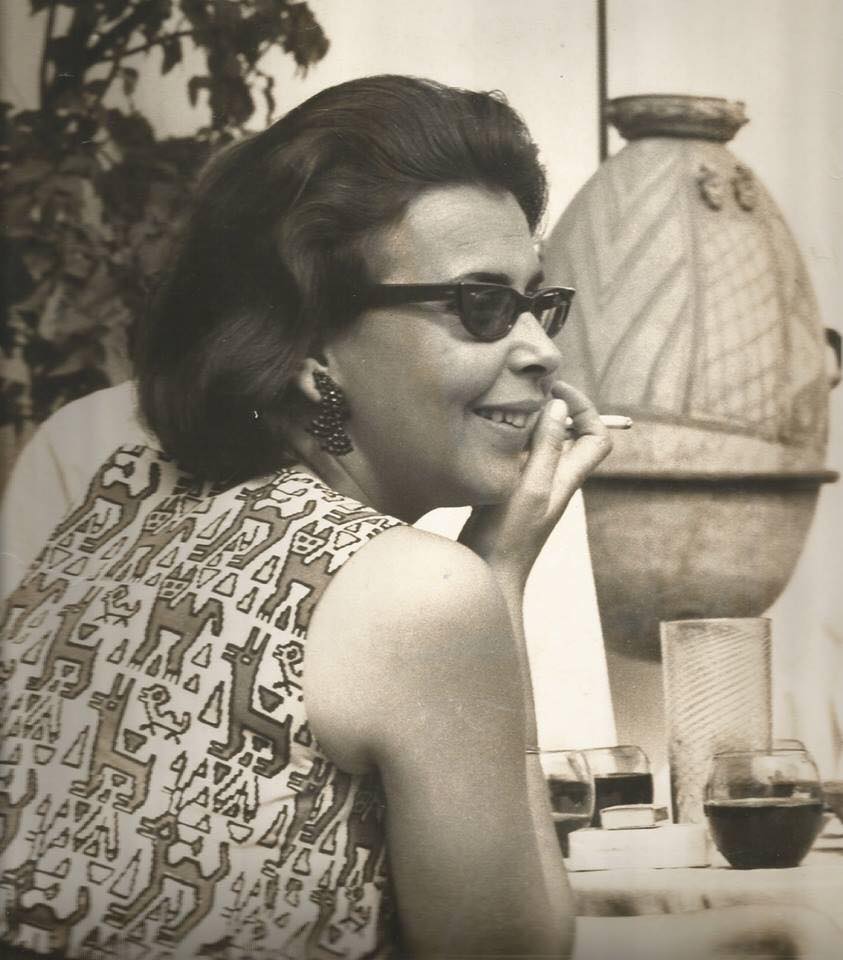
El presente ensayo propone una relectura desmitificadora del campo poético peruano de la segunda mitad del siglo XX a partir de la tensión generada por las declaraciones críticas de Blanca Varela sobre la intermediación de poetas-críticos —como José Antonio Mazzotti y Eduardo Chirinos— en la academia norteamericana, y la subsiguiente respuesta defensiva de los sectores vinculados a la poesía sociológica y de grupo (Hora Zero, Kloaka). Lejos de validar la dicotomía tradicional entre la “pureza existencialista” de la Generación del 50 y el “realismo visceral/militante” de las promociones del 70 y 80, este estudio demuestra que ambos bandos compartían una misma matriz epistemológica: un horizonte estrictamente urbano, individualista, burgués y antropocéntrico. De un lado, se analizan los límites formales de Varela, cuya poesía —aun abierta referencialmente al barro y lo animal— permanece tributaria de los moldes de Octavio Paz y no alcanza la disolución ontológica de Clarice Lispector ni el desnudamiento somático de Alejandra Pizarnik. Del otro, se desmonta la hipertrofia del yo en los gonfaloneros del realismo (Tulio Mora, Mazzotti), cuya trinchera sociológica redujo el poema a disputa por el poder simbólico y discurso de ocasión. Finalmente, el artículo sostiene que el agotamiento de esta querella bifronte abrió, por omisión y saturación, el verdadero espacio de la poesía peruana contemporánea y venidera: un eje multinaturalista, simétrico y posantropocéntrico que reconecta con el futuro-pasado remoto de la memoria ancestral.
Palabras clave: Blanca Varela, poesía peruana, sociología literaria, antropocentrismo, Octavio Paz, Hora Zero, Kloaka, multinaturalismo, pensamiento simétrico.
(iN PROGRESS)
ABSTRACT
Title: THE BOURGEOIS LADY AND THE SOCIOLOGISTS: BLANCA VARELA, THE PERUVIAN POETIC FIELD, AND THE MULTINATURALIST OPENING
Abstract:
This essay offers a demystifying reread of the Peruvian poetic field during the second half of the 20th century, triggered by the tension surrounding Blanca Varela’s critical remarks on the role of poet-critics—such as José Antonio Mazzotti and Eduardo Chirinos—as academic promoters in the United States, alongside the subsequent defensive response from sociological and group-oriented movements (Hora Zero, Kloaka). Rather than validating the traditional dichotomy between the “existential purity” of the 50s Generation and the “visceral/militant realism” of the 70s and 80s, this study demonstrates that both factions shared the same epistemological matrix: an explicitly urban, individualistic, bourgeois, and anthropocentric horizon. On one hand, the text analyzes Varela’s formal boundaries, whose poetry—despite referential gestures toward mud and animals—remains indebted to Octavio Paz’s models, falling short of Clarice Lispector’s ontological dissolution or Alejandra Pizarnik’s somatic exposure. On the other hand, it dismantles the hypertrophy of the self among the heralds of realism (Tulio Mora, Mazzotti), whose sociological trench warfare reduced the poem to a struggle for symbolic power and occasional discourse. Finally, the paper argues that the exhaustion of this two-faced dispute opened—through saturation and absence—the genuine territory of current and upcoming Peruvian poetry: a multinaturalist, symmetrical, and post-anthropocentric axis that reconnects with the remote future-past of ancestral memory.
Keywords: Blanca Varela, Peruvian poetry, literary sociology, anthropocentrism, Octavio Paz, Hora Zero, Kloaka, multinaturalism, symmetrical thought.
(IN PROGRESS)